


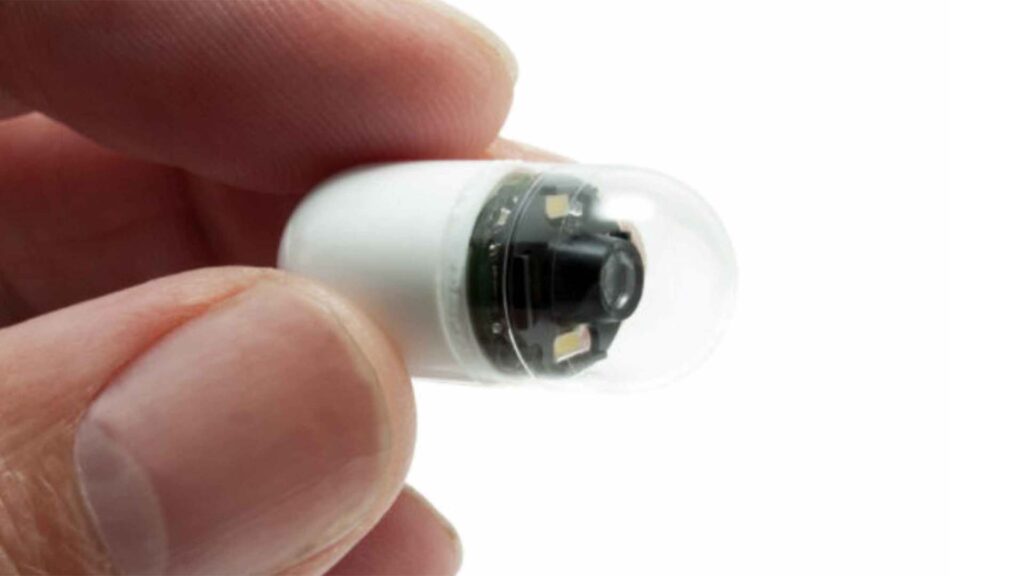
MIT researchers have developed tiny batteries made from biocompatible materials that can safely break down in the gastrointestinal tract after powering ingestible devices. The batteries use magnesium and molybdenum trioxide electrodes and an ionic-liquid gel electrolyte, generating 1.84 volts. They function normally for about three days before gradually degrading and breaking down completely within a few weeks.
The researchers demonstrated two applications. One battery powered an ingestible capsule that delivers electrical stimulation to the stomach; in animal testing, 20 minutes of stimulation increased ghrelin levels by about 50%. The technology could potentially support therapies for conditions involving nausea or appetite loss, although this remains experimental.
A second application used the battery to power an RFID capsule capable of transmitting its location from inside the GI tract over a range of up to 1.5 meters. The team plans a clinical trial of the broader SAFARI medication-adherence system, expected to begin in about two years.