


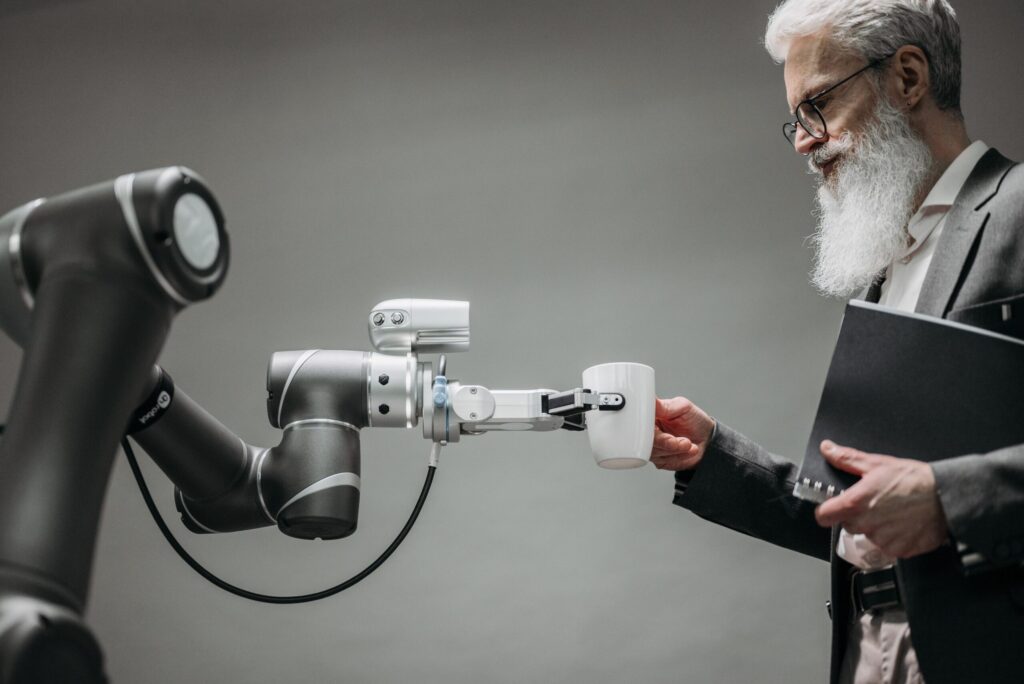
In a NEJM perspective titled “What the Robot Still Can’t Do,” physician Shantanu Nundy describes how an AI chatbot helped identify functional dyspepsia in a patient with nearly a decade of unexplained abdominal symptoms. The patient had previously undergone a negative H. pylori test and normal upper endoscopy, with no improvement after a trial of omeprazole. The AI model identified functional dyspepsia as the leading consideration and suggested other possible diagnoses.
The physician used this input alongside his clinical assessment to make a presumptive diagnosis and initiate amitriptyline treatment after discussing uncertainty and potential risks with the patient. At a follow-up three weeks later, the patient reported substantial improvement, although symptoms had not completely resolved.
The author argues that AI can support clinical reasoning by recognizing patterns and drawing on medical literature, but it cannot independently provide the human elements of care. Observing a patient’s emotional responses, understanding personal circumstances, assessing clinical uncertainty, building trust, and making context-sensitive decisions remain essential physician responsibilities.