


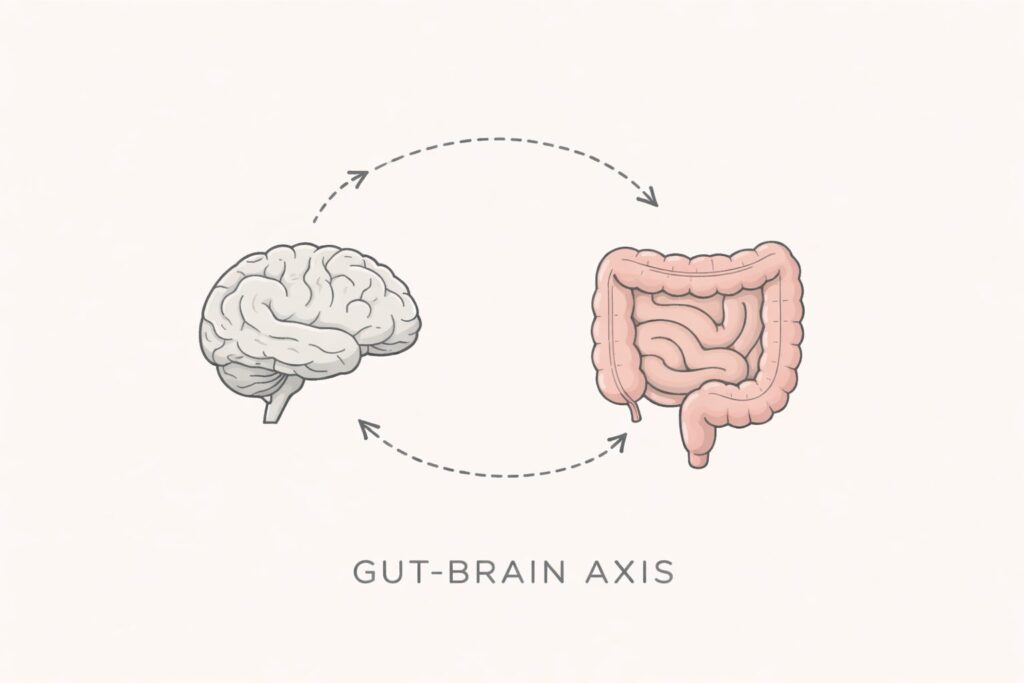
As understanding of the brain–gut connection expands, behavioral health is becoming an increasingly important component of gastrointestinal care.
In an interview with GI & Hepatology News, Megan Riehl, Associate Professor of Medicine and Clinical Director of the GI Behavioral Health Program at University of Michigan, discussed the growing role of GI psychology in multidisciplinary digestive care.
GI psychologists work directly within gastroenterology teams to treat disorders of gut–brain interaction (DGBI) and other digestive conditions using evidence-based behavioral therapies. Their role differs from general mental health providers by focusing specifically on modulating brain–gut communication to improve symptom severity, treatment adherence, and quality of life.
Why Behavioral Health Matters in GI
According to Dr. Riehl, gastrointestinal disorders are inherently biopsychosocial, shaped by interactions between physiology, the nervous system, behavior, and lived experience.
Embedding behavioral health within GI care can:
- Improve symptom management
- Enhance treatment adherence
- Reduce stigma around psychological interventions
- Improve overall patient quality of life
Integrated care also helps patients understand how stress, nervous system signaling, and gut function interact.