


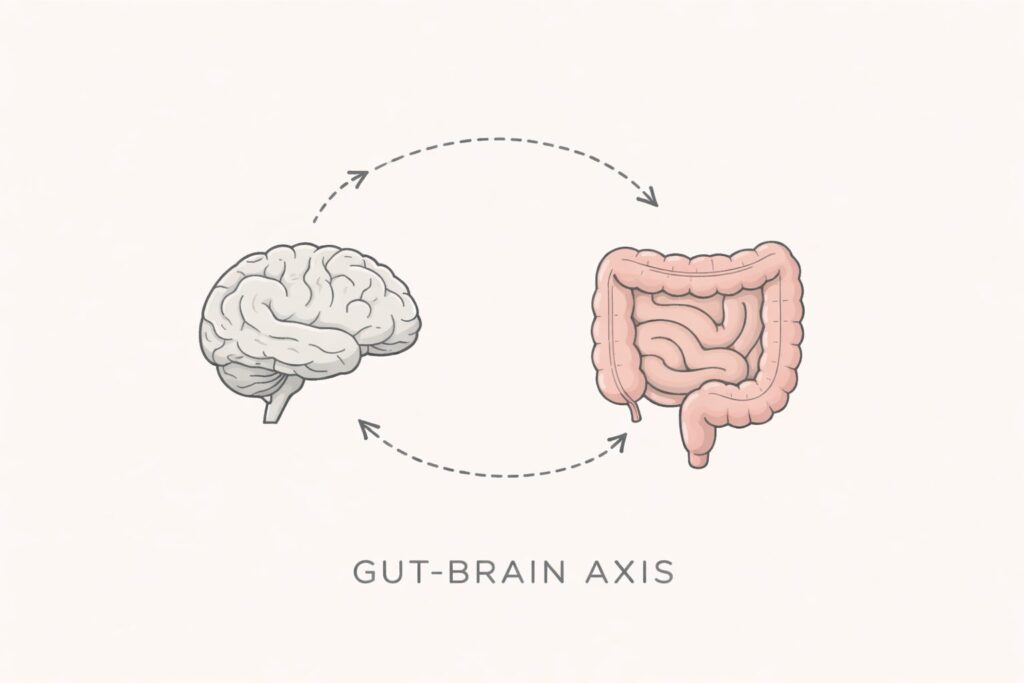
Miami-based startup Cervco has launched a $169 direct-to-consumer Gut-Brain Wellness Test, positioning it as the first at-home assay focused specifically on microbiome markers associated with cognitive wellness.
The test analyzes four bacterial targets using digital droplet PCR (ddPCR):
- Desulfovibrio spp.
- Akkermansia spp.
- csgA (curli subunit protein gene)
- bft (Bacteroides fragilis toxin gene)
Users receive a Gut-Brain Wellness Score (0–100) alongside lifestyle assessments and suggested interventions. No prescription is required. Results are processed in CLIA-certified labs and returned in 2–3 weeks.
The Science Signal — and the Caveat
Cervco cites emerging research linking specific gut bacteria to pathways involved in inflammation, gut barrier integrity, and neurocognitive function.
However:
- The company acknowledges associations are not causal
- The test is marketed for “wellness” purposes
- It is not FDA-cleared
- It does not diagnose, treat, or prevent disease
This places Cervco squarely within the rapidly expanding consumer microbiome optimization category rather than regulated clinical diagnostics.
Why This Matters for GI & Digital Health
This launch reflects several converging trends:
- 🧠 Growing public concern around cognitive decline
- 🧬 Expansion of microbiome testing beyond GI symptoms
- 🏠 At-home molecular diagnostics adoption
- 📊 “Scoring” models translating complex biomarkers into consumer-friendly metrics
It also raises important questions:
- What constitutes clinically actionable microbiome data?
- How should ddPCR-based single-marker tests compare to broader sequencing platforms?
- Where is the line between preventive wellness and medical claims?