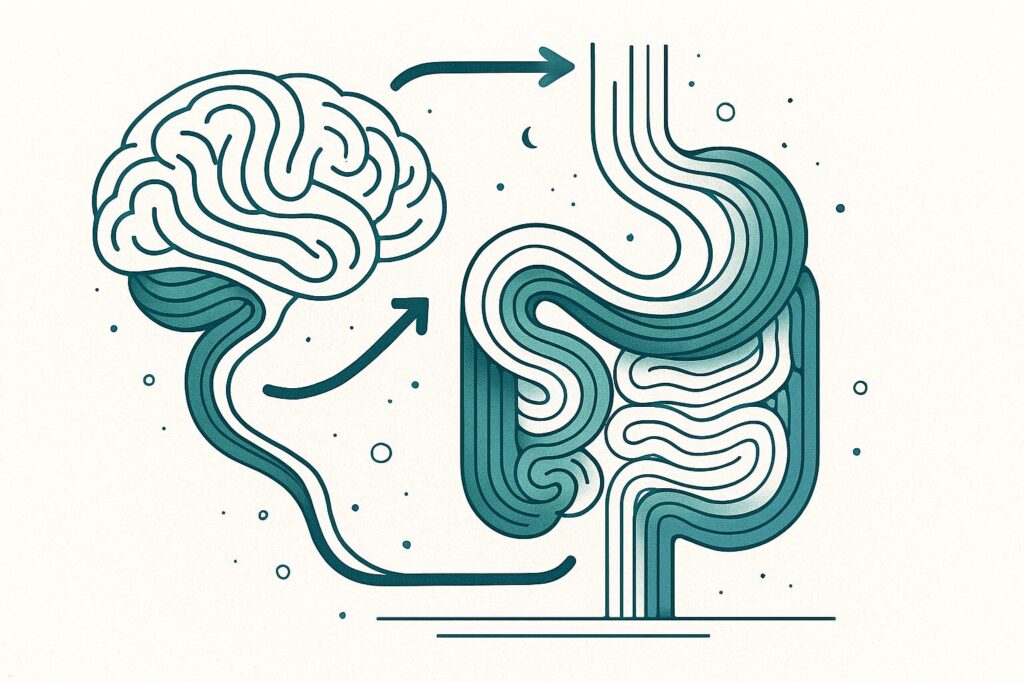


Disorders of gut–brain interaction (DGBI), previously referred to as functional gastrointestinal disorders (FGID), have been poorly understood historically. Although providers have observed these symptoms in their patients for hundreds of years, standard diagnostic capabilities have only emerged in the past several decades through the Rome criteria, moving from a simplistic and reductionist view to a more comprehensive biopsychosocial model.1,2 Initially viewed primarily as motility disorders, scientific understanding has shifted to encompass broader disturbances in neurogastroenterology,3 alterations in gastrointestinal (GI) microbiota and immune activation, and reactions to food—all acting through brain–gut interactions.4 These advancements have validated DGBI for patients and health care providers and have catalyzed research efforts for new treatments. Yet there remains a mismatch between the high prevalence and clinical burden of DGBI, the limited attention DGBI receive in clinical practice, and the poor representation of DGBI in medical school and training curricula.5,6
Disorders of Gut–Brain Interaction and the Rome V Process (Gastroenterology)
0