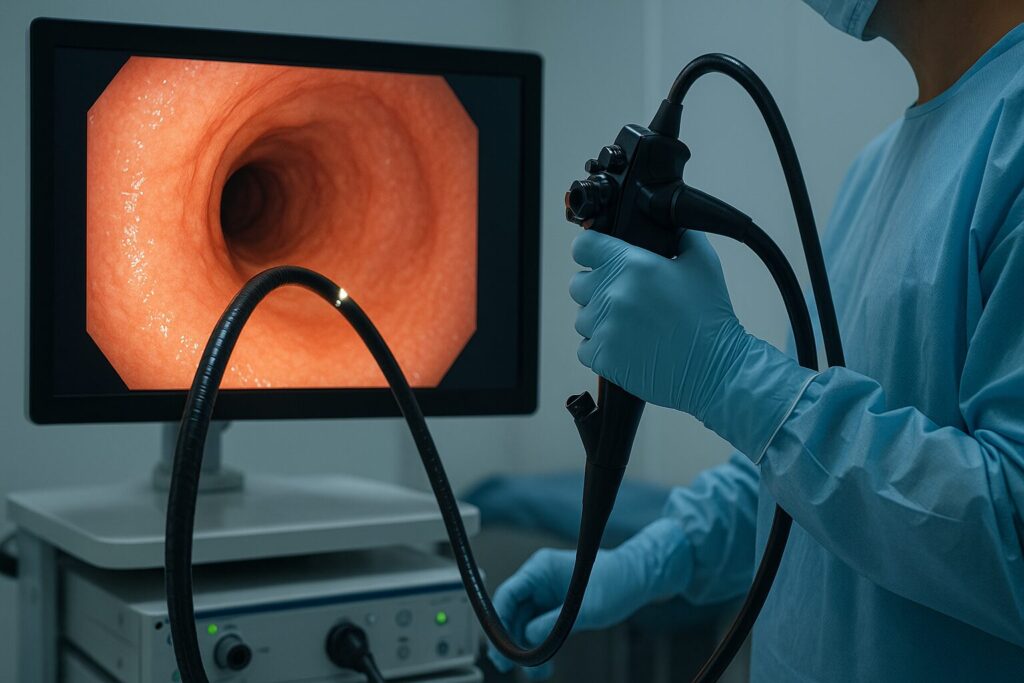


Gastroenterologists in the US are facing mounting pressures to see and scope more patients. The clinical demands of an aging population, together with increased endoscopic volumes driven by the surge in early-onset colon cancer, continue to outpace the available workforce. In response, many health care systems are turning to the GI hospitalist (GIH) model: gastroenterologists hired to work exclusively in the hospital to manage inpatient consultations, perform urgent and emergent endoscopies, coordinate multidisciplinary care, and streamline hospital operations. What began as a pragmatic staffing solution has evolved into a distinct and rewarding career track — one that enriches fellowship training, alleviates key pain points for outpatient colleagues, and enhances institutional performance across both academic and community settings. Institutions that have embraced this model have reaped substantial returns, yet national adoption remains limited. Here is what everyone should know about the GIH model.
The GI hospitalist: A practice-changing health care opportunity (MDedge)
0