


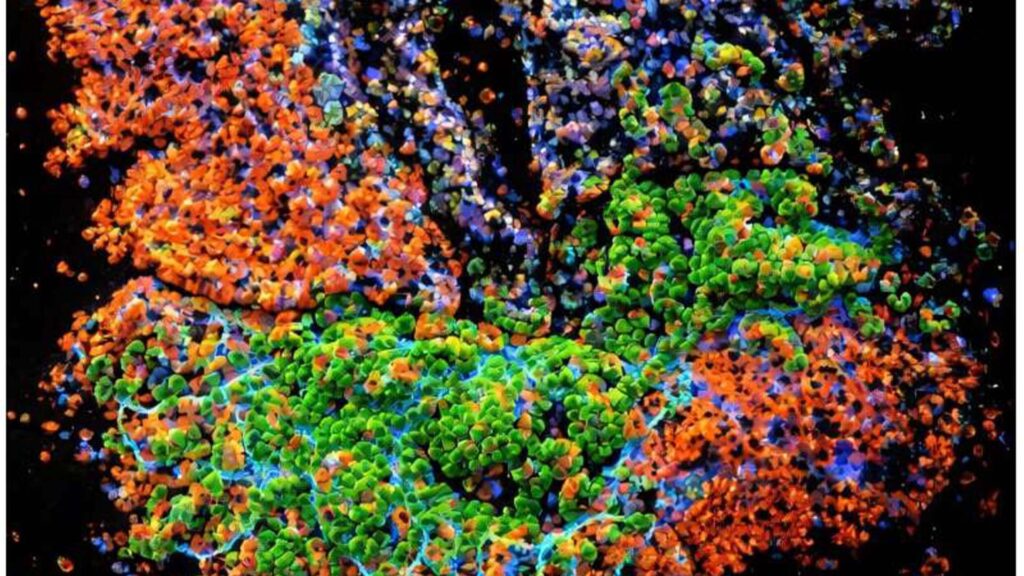
Researchers at Weill Cornell Medicine have uncovered a key immune pathway that may explain why patients with inflammatory bowel disease (IBD) face a markedly higher risk of colorectal cancer. The findings, published in Immunity, point to new opportunities for risk stratification, monitoring, and prevention in IBD care.
The study centers on TL1A, an inflammatory signaling protein already implicated in IBD and a current therapeutic target in clinical trials. Using preclinical models, investigators showed that TL1A drives tumor-promoting inflammation indirectly—by activating gut-resident innate lymphoid cells (ILC3s). Once activated, these cells release GM-CSF, triggering a systemic response known as emergency granulopoiesis, in which the bone marrow rapidly produces neutrophils that migrate to the gut.